

Contrary to what you might think, the best time to buy school supplies is no longer back-to-school season itself. You now have to plan ahead, during the summer months, as if parents needed reminding that while vacations and sunburns are here, the new school year is just around the corner.
Between the last deals on pens and backpacks, there is a good chance you will be offered a bargain on a case of Merlot. For nearly 50 years, September and October in France have been synonymous with the Foire aux Vins, the annual wine fairs held by French supermarkets and a must-attend event for wine lovers, curious shoppers, and bargain hunters alike. Perhaps a way to make the back-to-school pill a little easier to swallow?
First created in 1976 by an E.Leclerc store in Brittany, this key event has profoundly transformed how wine is consumed and sold in France. Today, every retail chain, from the neighborhood supermarket to the out-of-town hypermarket, takes part in this major retail celebration.
But why is back-to-school season considered the best time to stock your cellar? What is at stake for retailers and consumers? And how has this event managed to remain attractive in an overall declining market?
A shrinking wine market, but a Wine Fair that remains a must
Wine consumption in France has changed a great deal. In the 1960s, the average French person drank 127 liters of wine per year. Today, the average is just 40 liters per person (Vin & Société). Volumes are falling, but value is holding steady because consumers are choosing quality. The Wine Fair fits squarely into this trend: every year it accounts for nearly one billion euros in revenue, or about 20% of the wine aisle’s annual sales. In other words, even in an overall shrinking market, the event remains strategic and mobilizes the entire retail sector.
The Wine Fair: a major sales and marketing lever
The fall Wine Fair is first and foremost a key moment for driving store traffic. Retailers ramp up promotions, organize tastings, and sometimes invite loyal customers to exclusive previews. Some wine departments stand out in particular, such as Leclerc Fouesnant Pleuven, Auchan Roncq, and Leclerc So Ouest in Levallois-Perret, regularly cited among the finest wine cellars in France. These initiatives help create an atmosphere of expertise and conviviality that appeals to connoisseurs and occasional buyers alike.
The impact on average basket size is also significant. During the Wine Fair, consumers rarely buy a single bottle: they tend to buy by the case and stock their cellars for several months, which automatically increases the value of each receipt. Beyond the commercial dimension, the Wine Fair also shapes brand image. Offering an original selection, showcasing rare vintages, or highlighting genuine favorites strengthens a retailer’s credibility and helps it stand out from competitors.
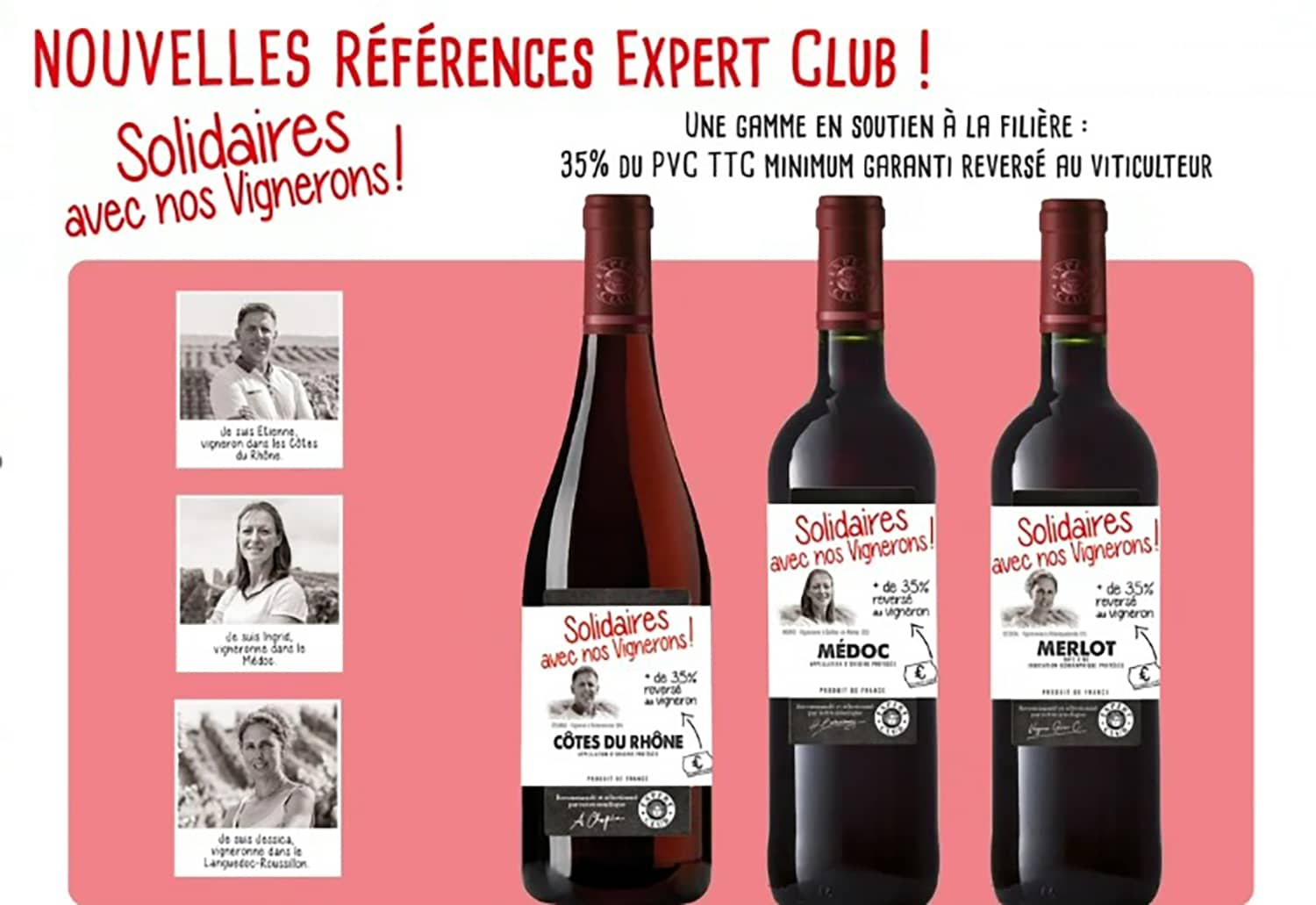
At the same time, retailers are adapting their strategies to new expectations. They are stepping up premiumization by highlighting high-end vintages, prestigious appellations, and organic or natural wines. They are also developing their private labels, such as Carrefour Sélection, Pierre Chanau at Leclerc, or Club des Sommeliers at Casino. These private labels, sometimes little known to the general public, offer good value for money while protecting margins. Intermarché has even launched a fair-trade range, illustrating retailers’ ability to innovate in their selections. Finally, extensive coverage of the event in the national and regional press further boosts its appeal. Every year, newspapers and magazines publish their recommendations, turning the Wine Fair into a real treasure hunt where the search for the “hidden gem” encourages customers to discover new stores.
In-store staging and digitalization: the future of the Wine Fair
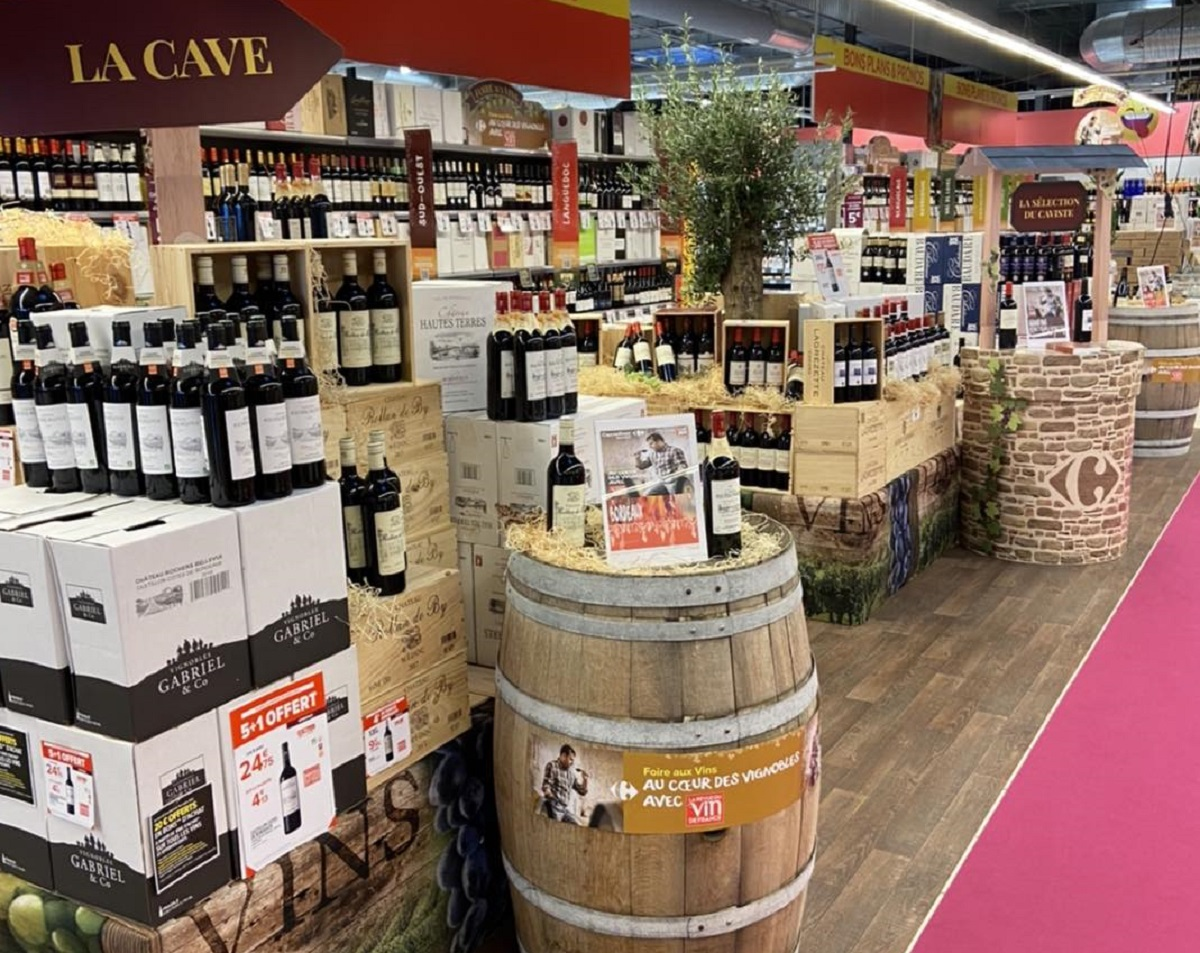
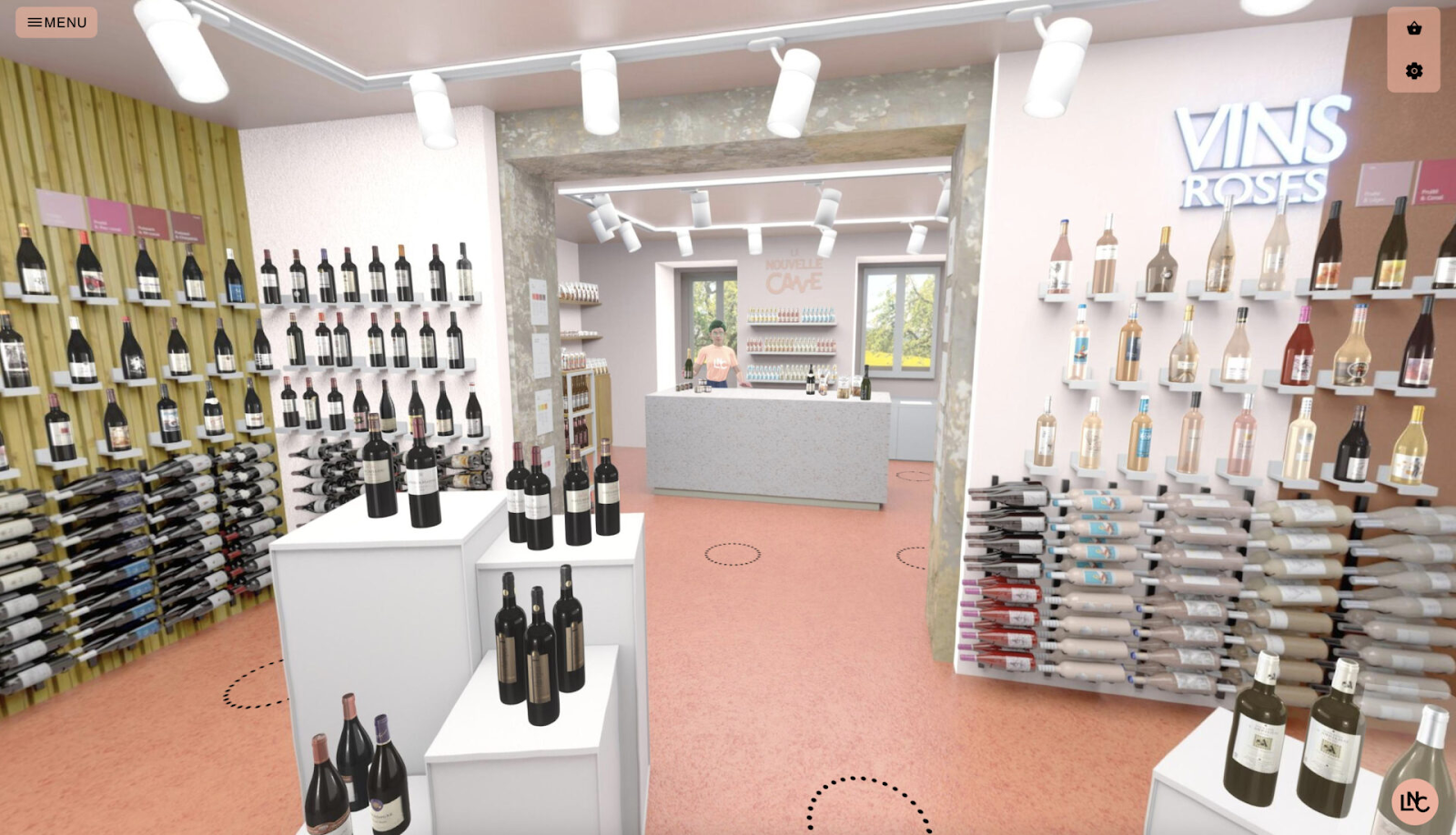
One of the most striking aspects of the Wine Fair is the visual transformation of stores. For several weeks, stores turn into pop-up wine cellars. Main aisles are lined with wooden crates, barrels, and themed corners that immerse shoppers in a dedicated world. This in-store staging is not just about aesthetics: it is part of the shopping experience and reinforces the sense of occasion.
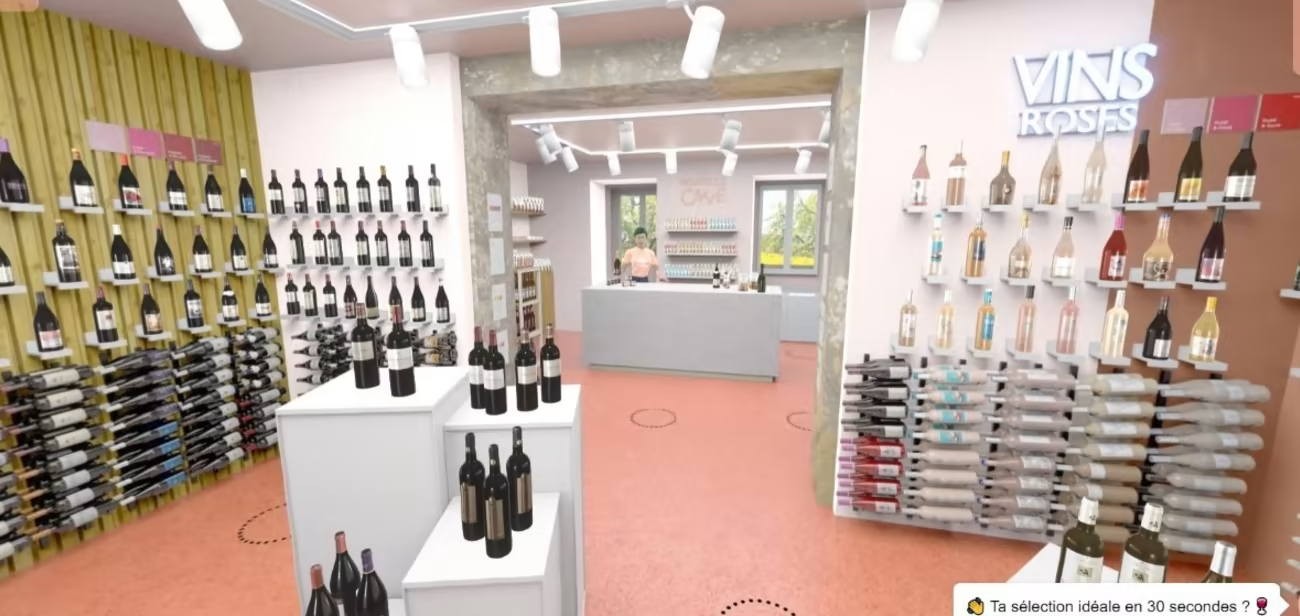
Today, preparing these displays increasingly relies on 3D and digital tools. Platforms such as Retail VR make it possible to design and test different layouts before rolling them out. Teams can compare how readable assortments are, assess visual impact, or simulate the customer journey through promotional corners. Using immersive simulation optimizes retail space and improves the return on investment of in-store staging operations.
Despite some slowdown in sales, the Wine Fair remains as important as ever. It generates store traffic comparable to the year-end holiday season, drives up average basket size, showcases private labels, and is a powerful marketing tool thanks to national advertising and the data collected through loyalty cards. After nearly fifty years, it remains a popular event with the public and a strategic moment for retailers.
Ultimately, back-to-school season is not just about backpacks and notebooks. It is also, and above all, the best time to stock your wine cellar, discover new bottles, and enjoy an event that blends tradition, retail, and pleasure.


.webp)
.webp)
.webp)

